
For any business owner, managing operational costs is a constant priority. You scrutinize expenses from payroll to marketing, always looking for ways to improve the bottom line. However, one significant area often overlooked is waste management. Many businesses view waste disposal as a fixed cost, but what if you could turn that expense into a source of savings? A commercial recycling pickup service can do just that, offering a practical path to reduce costs and enhance your company’s financial health.
Implementing an effective business recycling program goes beyond just being environmentally friendly; it’s a smart economic decision. By diverting materials from the landfill, you can significantly reduce waste management costs and unlock new operational efficiencies. Explore how a comprehensive recycling service can help your organization save money and streamline its operations. We’ll break down the financial benefits, compare waste management strategies, and answer common questions to help you make an informed decision for your business.
Reduce Your Business Waste Management Costs
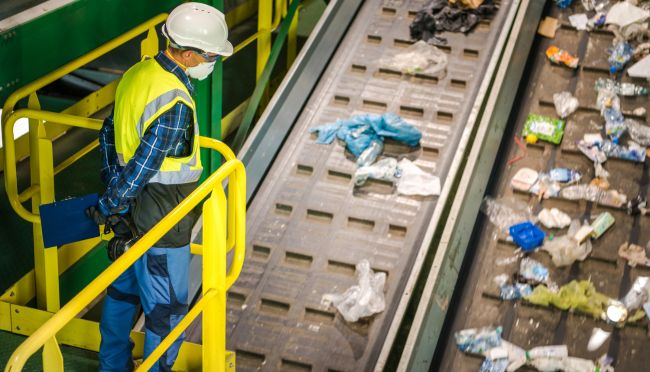
The most direct financial benefit of commercial recycling is the potential to substantially reduce waste expenses. Landfill and trash disposal fees, often referred to as tipping fees, are a major component of your waste management bill. These fees are typically calculated by weight or volume.When your organization implements a comprehensive recycling program, you divert a large portion of your waste stream, such as cardboard, paper, metals, and plastics, away from the trash dumpster.
This reduction in trash output means lower disposal costs. Increasing recycling can cut your disposal costs dramatically. A professional commercial service can provide your business with the right containers and a pickup schedule tailored to your needs, making the process seamless. The cost savings from reduced landfill fees can directly impact your profitability, freeing up capital for other areas of your business.
Save Money Through Effective Waste Reduction
Beyond simply cutting disposal costs, an organized approach to waste management creates opportunities to save money through improved operational efficiencies. A partnership with a commercial recycling service often begins with a waste audit. These audits are invaluable for understanding exactly what your business throws away.
An audit can reveal inefficiencies in your processes, such as:
- Excessive use of packaging materials.
- Inefficient separation of recyclable and non-recyclable waste.
- Opportunities to purchase materials with higher recycled content.
By identifying these areas, you can implement targeted waste reduction strategies. For example, discovering a high volume of cardboard from incoming shipments might lead you to work with suppliers to reduce packaging. This not only lowers your waste output but also reduces the labor needed to break down and handle boxes. Effective waste reduction is a key driver of long-term cost savings tips

Increase Operational Efficiencies with a Recycling Service
A streamlined waste management system contributes to a more organized and efficient workplace. When employees have clear guidelines and convenient bins for separating materials, the entire process becomes second nature. A dedicated commercial service enhances this by providing the right tools and education to support your team. This organization reduces clutter and streamlines workflows, which can have a positive ripple effect across your operations.
Consider the time your staff spends on waste-related tasks. A disorganized system can lead to overflowing bins, time-consuming trips to a distant dumpster, and confusion about what can be recycled. A professional service helps optimize this entire workflow. They provide appropriately sized containers placed in strategic locations, along with clear signage. This structured approach minimizes the time employees spend managing trash and allows them to focus on their core responsibilities, boosting overall productivity.
Waste Management Strategy Comparison
Choosing the right waste management strategy is crucial for maximizing cost savings and sustainability benefits. Below is a comparison of a traditional trash-only approach versus an integrated commercial recycling program.
| Feature | Traditional Waste Disposal | Comprehensive Commercial Recycling |
| Primary Focus | Trash collection and landfill disposal. | Waste reduction, material recovery, and recycling. |
| Cost Structure | Primarily based on trash volume and weight, leading to higher disposal costs. | Reduced trash disposal fees; potential for revenue from certain recycled materials. |
| Operational Impact | Minimal process integration; can lead to cluttered and inefficient workspaces. | Promotes organized workflows, cleaner facilities, and improved operational efficiencies. |
| Sustainability | Low environmental benefit; contributes to landfill growth. | High sustainability impact; supports the circular economy and conserves natural resources. |
| Financial Outcome | A consistent and often rising operational expense. | A clear path to reduce costs and achieve long-term financial savings. |

The Broader Economic Benefits of Commercial Recycling
The financial advantages of business recycling extend beyond your company’s direct cost savings. Embracing sustainability can enhance your brand’s reputation, attracting environmentally conscious customers and employees. In today’s market, demonstrating a commitment to responsible practices can be a powerful differentiator. This can translate into increased customer loyalty and a stronger position in the marketplace.
In addition, some recycled materials can be sold for profit. Depending on market conditions and the types of materials your business generates, a commercial recycling service may offer rebates or payment for commodities like certain metals or large volumes of cardboard. This can turn a waste stream that was once a pure expense into a new, albeit small, source of revenue. The combination of cost reduction, operational improvement, and potential revenue makes comprehensive recycling a powerful financial tool for any forward-thinking organization.
Frequently Asked Questions (FAQs)
How can my business start a commercial recycling program?
The best first step is to contact a reputable commercial recycling service. They can perform a waste audit to analyze your current waste stream and recommend a tailored program. They will typically provide the necessary containers, employee training materials, and a pickup schedule that fits your operational needs.
Will recycling really save my business money?
Yes. For most businesses, recycling can significantly reduce waste management costs. By diverting materials like paper, cardboard, plastic, and metal from your trash, you lower the volume of waste sent to the landfill, which in turn reduces your disposal fees. These cost savings can be substantial over time.
What materials can be included in a commercial recycling service?
Commonly accepted materials include cardboard, mixed paper, aluminum and steel cans, and various types of plastic bottles and jugs. Some services also offer specialized recycling for items like wood, electronics, and batteries. The specific materials accepted will depend on the service provider and your local facilities.
My business is small. Can we still benefit from a recycling service?
Absolutely. Commercial recycling services are scalable and can be customized for businesses of any size. Even a small office or retail shop can generate enough recyclable material to see a meaningful reduction in trash disposal costs. A professional service can help you find a cost-effective solution that matches your output.
How does a waste audit work and what are its benefits?
A waste audit is a process where a recycling professional analyzes your business’s trash to identify the types and quantities of waste being generated. The primary benefit is data. The audit provides a clear picture of your waste stream, highlighting the biggest opportunities for recycling and waste reduction. This information allows you to create a more effective and impactful recycling program designed to maximize your cost savings.

