
Vehicle maintenance costs add up quickly. When a mechanic hands you a hefty estimate, panic often sets in. You might think brand-new components are the only option to get your car back on the road safely. Buying used auto parts offers a smart, budget-friendly alternative.
You can slash your repair bills significantly by exploring the used market. This guide will show you exactly what to look for when you buy used car parts. You will learn how to verify quality, negotiate fair market value, and ensure every component matches your specific needs.
The Benefits of Auto Salvage for Smart Shoppers
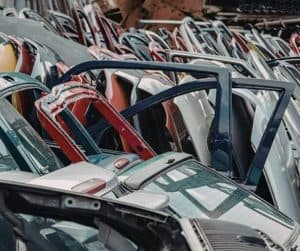 Auto salvage yards offer a goldmine of affordable components. When a car gets written off by insurance, many of its internal systems remain in perfect working condition. Auto recycling facilities extract these valuable pieces, test them, and make them available to the public at a fraction of their original cost.
Choosing quality recycled items helps you save money on Used parts to expensive fixes. It also keeps perfectly good materials out of landfills. Recycling promotes a greener environment while keeping cash in your wallet. Whether you need a simple mirror or an entire engine block, a salvage yard usually has a massive inventory ready for purchase.
Finding a Reputable Supplier for Car PartsCar
Your success in saving money depends heavily on where you shop. A reputable supplier will stand behind their inventory with transparent policies and warranties. You want to buy from a reputable seller who meticulously tests their stock before putting it up for sale.
When buying parts, research the supplier’s history. Read customer reviews online and look for businesses that specialize in auto recycling. Many modern salvage facilities operate massive databases. This allows you to search for parts online from the comfort of your home. You can verify their stock without driving across town.
Here are a few traits of a great supplier:
- Offers clear return policies or warranties on their items.
- Cleans and tests components before adding them to inventory.
- Provides knowledgeable customer service to help you find exactly what you need.
- Maintains an organized, searchable database of their stock.
 Evaluating the Price Before You Purchase Auto Components
Understanding the fair market value of a part prevents you from overpaying. Before you agree to any purchase, compare the cost of the used item against a brand-new equivalent. You should expect to pay roughly half the price of a new component, though this varies based on demand and condition.
Examine the item for excessive wear. Minor cosmetic blemishes rarely affect performance, but deep rust or structural damage should be avoided. Negotiating is a common practice in the used car repair market. Do not hesitate to ask for a better deal, especially if you buy multiple items at once.
A Quick Comparison Guide
To help you understand the differences, review this simple comparison table between new and used options:
| Feature | Brand New Parts | Used/Recycled Parts |
| Average Cost | High (Retail Price) | Low (Usually 40-60% off retail) |
| Environmental Impact | Requires new raw materials | Promotes sustainable recycling |
| Availability | Might require factory ordering | Often available immediately locally |
| Warranty | Manufacturer guarantee | Usually 30-90 days from the seller |
 Ensuring Parts Fit Your Vehicle Perfectly
Nothing is more frustrating than bringing an item home only to realize it does not fit. You must ensure you get the right parts for your specific make and model. Always check your vehicle identification number (VIN) before shopping. This alphanumeric code tells the seller the exact specifications of your car.
Take the old broken component with you if you visit a physical lot. Comparing the old and new pieces side-by-side guarantees a perfect match. Pay close attention to mounting brackets, wire connectors, and bolt patterns. Proper fitment ensures smooth installation and prevents further damage during the repair process.
Buying used car parts empowers you to take control of your maintenance budget. By doing a little research and inspecting items carefully, you can maintain your vehicle without draining your savings account.
Frequently Asked Questions
Is it safe to buy used auto parts?
Yes, buying used components is highly safe when you purchase from a reputable supplier. Reputable facilities test and inspect their inventory to ensure quality and reliability before selling them to consumers.
 How much money can I really save?
Shoppers typically save between 40% and 60% compared to buying brand-new items. The exact amount depends on the specific component, the make of your vehicle, and the current market demand.
Can I buy used parts online securely?
Many established auto salvage businesses operate secure online storefronts. You can browse their inventory, verify part numbers, and arrange for shipping or local pickup with confidence.
Do used parts come with any kind of warranty?
Most established sellers offer a limited warranty, typically ranging from 30 to 90 days. Always ask the supplier about their return and exchange policies before completing your transaction.
Will a mechanic install parts I buy myself?
Many independent mechanics will happily perform the installation for you. You will only pay them for their labor. It is always a good idea to call your mechanic ahead of time to confirm they accept customer-supplied components.

