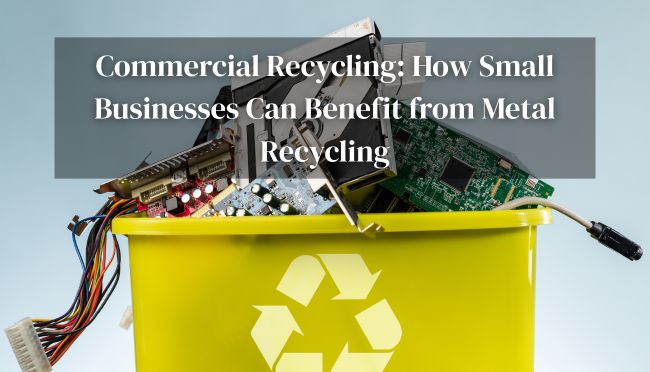
Recycling is no longer just an environmental initiative; it’s a smart financial move for small businesses. For companies handling manufacturing scrap or dealing with surplus metal, implementing a recycling service can offer significant economic benefits while improving sustainability. Small businesses that take proactive steps to recycle metals like aluminum, steel, and copper can experience cost savings, operational efficiencies, and a positive reputation as environmentally responsible organizations.
The Economic Benefits of Metal Recycling for Small Businesses
Engaging in metal recycling offers numerous economic advantages for businesses. Here’s why it’s worth considering:
- Revenue Opportunities
Many recycling facilities pay competitive rates for recyclable metals such as steel, aluminum, and copper. Selling scrap rather than discarding it turns waste into a revenue stream.
- Reduced Waste Management Costs
Traditional waste management methods can be expensive, particularly for materials like metal, which often incur additional handling fees. Recycling reduces disposal costs by diverting materials from landfills.
- Tax Incentives
In some regions, businesses can qualify for tax credits or deductions when they prove their commitment to eco-friendly practices like recycling.
- Streamlined Operations
By partnering with a dedicated recycling service, businesses can simplify their waste management processes, freeing up time and resources to focus on core operations.
- Enhanced Brand Image
Consumers value sustainability. A business that commits to recycling demonstrates social responsibility, which can result in stronger customer loyalty.
To fully understand the economic implications, comparing costs between traditional waste disposal and recycling services is essential.
Comparing Costs: Recycling Service vs. Traditional Waste Management
| Category | Traditional Waste Management | Recycling Services |
| Disposal Costs | High landfill fees | Reduced or eliminated fees |
| Material Value | None (waste is discarded) | Generates revenue for scrap |
| Environmental Penalties | Possible fines for non-compliance | Encourages compliance |
| Operational Impact | Slower due to manual sorting | Streamlined, professional services |
| Sustainability Impact | Minimal | Significant |
The table illustrates how recycling services can lead to measurable financial benefits while reducing environmental footprints.
How Metal Recycling Boosts Sustainability for Businesses
 Recycling doesn’t just save money; it also plays a critical role in advancing sustainability goals. For small businesses, this translates into:
- Conservation of Natural Resources
Recycling reduces the need for raw material extraction, preserving finite resources like ore and minerals.
- Lower Carbon Footprint
Processing recycled metal consumes less energy than producing new metal from raw materials. This significantly minimizes greenhouse gas emissions.
- Contributing to a Circular Economy
Recycling keeps materials in use longer, closing the loop and reducing waste.
These benefits align well with modern consumer trends that favor sustainable businesses.
FAQs About Commercial Scrap Metal Recycling
- What Types of Metal Can Be Recycled?
Most metals, including aluminum, steel, copper, brass, and tin, are recyclable. Businesses can check with their recycling service for specific guidelines.
- Do I Need to Sort Scrap Metal Myself?
Usually not. Most commercial recycling facilities handle sorting, but separating metals can fetch better rates.
- Is Metal Recycling Expensive?
No. Recycling is often cheaper than traditional disposal methods, and businesses may even earn money through the scrap value of the metals.
- How Can I Start a Metal Recycling Program?
Partner with a reputable recycling service. They’ll provide containers and schedule regular pickups to make recycling easy and efficient.
- Are There Environmental Regulations I Need to Follow?
Yes, compliance with local recycling and waste disposal laws is crucial. Working with a recycling service ensures adherence to these regulations.
Practical Steps for Small Businesses to Start Recycling Metal
If you’re new to recycling, follow these actionable steps to introduce effective practices into your operations:
- Perform a Waste Audit
Evaluate your waste streams to identify recyclable materials and estimate the volume of scrap metal produced.
- Find a Trusted Recycling Partner
Look for a local recycling company that offers tailored options for handling manufacturing scrap and small business needs.
- Train Your Team
Educate employees on the importance of recycling and how to correctly handle recyclable materials.
- Integrate Recycling Into Operations
Place recycling bins in accessible locations and schedule regular pickups from your service provider.
- Track and Optimize
Monitor the volume of materials recycled and look for ways to improve efficiency or scale efforts.
Why Recycling Services Are Worth the Investment
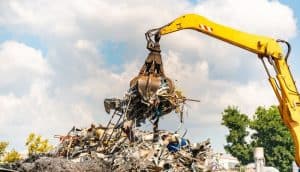
 Small businesses, particularly those in manufacturing or construction, generate substantial metal waste over time. By adopting a structured approach to recycling, small businesses not only cut costs but also create new revenue streams while reducing reliance on landfills, minimizing environmental harm, and aligning with stringent environmental regulations.
For small businesses, recycling is more than a moral or environmental obligation; it’s a strategic move with tangible economic benefits. Transforming manufacturing scrap into a valuable resource helps companies reduce costs, improve efficiency, and boost their reputation. With minimal upfront effort, metal recycling can quickly become an invaluable part of a small business’s operational strategy.
Metal isn’t waste; it’s an opportunity. Instead of letting it pile up, consider how recycling services can transform it into a resource that benefits your business and the planet.

